
The modern call center agent: A 2026 role overview

Product Marketing Lead, Onboarding & Ecosystem

Share
Call center agents are the frontline of your brand’s customer experience. But the role has evolved far beyond simply answering phones. Today, they’re multi-channel experts who solve complex problems in real-time.
In this guide, we’ll explore what a modern contact center agent does, the essential skills they need, and how AI technology is changing the nature of their work.
What’s a call center agent?
A call center agent (also known as a customer service representative or contact center agent) is a professional who handles inbound and outbound customer communications. They serve as the primary point of contact for troubleshooting, technical support, sales inquiries, and account management.
While the term "call center" implies phone work, modern agents are omnichannel. They must be proficient in:
Voice: Traditional phone support and VOIP.
Digital: Live chat, email, and SMS.
Social: Public-facing support on platforms like X (Twitter) and Facebook.
What are the responsibilities of a call center agent?
The daily duties of an agent go beyond "talking." They’re data managers and problem solvers. Core responsibilities include:
Managing high-volume interactions: Efficiently handling a queue of inquiries while maintaining high Quality Assurance (QA) scores.
First Call Resolution (FCR): Attempting to solve the customer's issue during the first interaction to reduce "churn" and effort.
Technical troubleshooting: Walking customers through complex product setups or software bugs.
Cross-functional collaboration: Escalating specialized issues to tier-2 support or product teams.
Accurate data entry: Logging interaction details into a CRM (like Salesforce or Zendesk) to ensure a "single source of truth."
What are the essential skills and qualifications of a good call center agent?
To thrive in a modern contact center, agents need a balance of soft skills and technical literacy.
1. Soft skills
Active listening: The ability to hear the "subtext" of a customer's frustration.
Emotional Intelligence (EQ): De-escalating tense situations with empathy.
Bilingualism: (Increasingly in demand) Providing support in multiple languages.
2. Hard skills & technical ability
CRM Proficiency: Navigating customer databases quickly.
Typing Speed: Usually a minimum of 40–50 WPM for chat-based roles.
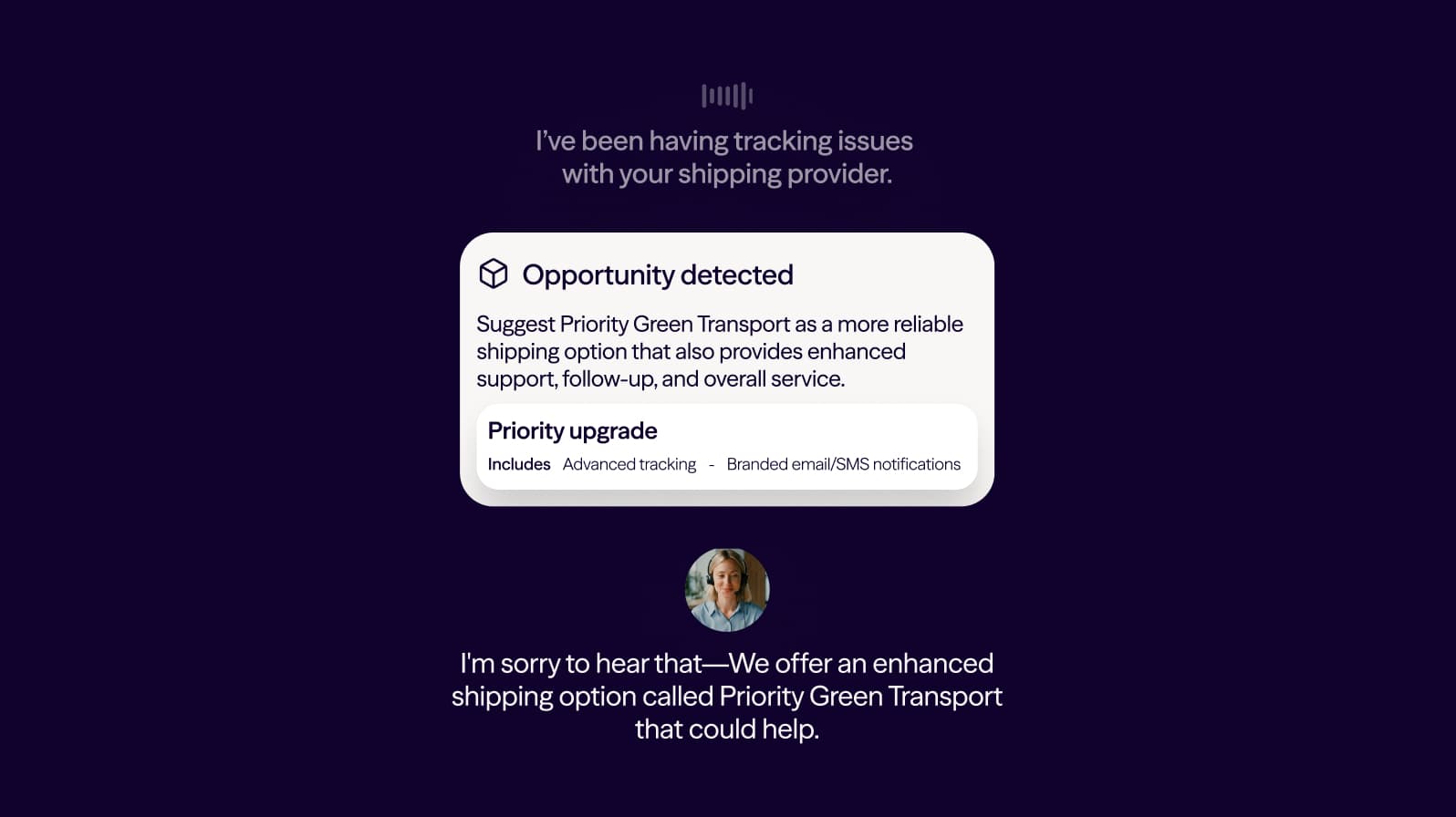
AI Literacy: Working alongside AI tools like real-time transcriptions and suggested responses.
The challenges: Burnout & high volume
Call center agents have notoriously difficult jobs. High interaction volumes, emotional conversations, and performance expectations can create pressure without the right support.
Common challenges include:
High call and interaction volume: Large volumes of inbound requests can lead to overload without efficient distribution. Tools like AI-powered call routing help ensure customers reach the right agent faster while balancing workloads.
Stress and emotional fatigue: Handling difficult conversations can take a toll. AI coaching provides real-time guidance that supports agents during challenging moments.
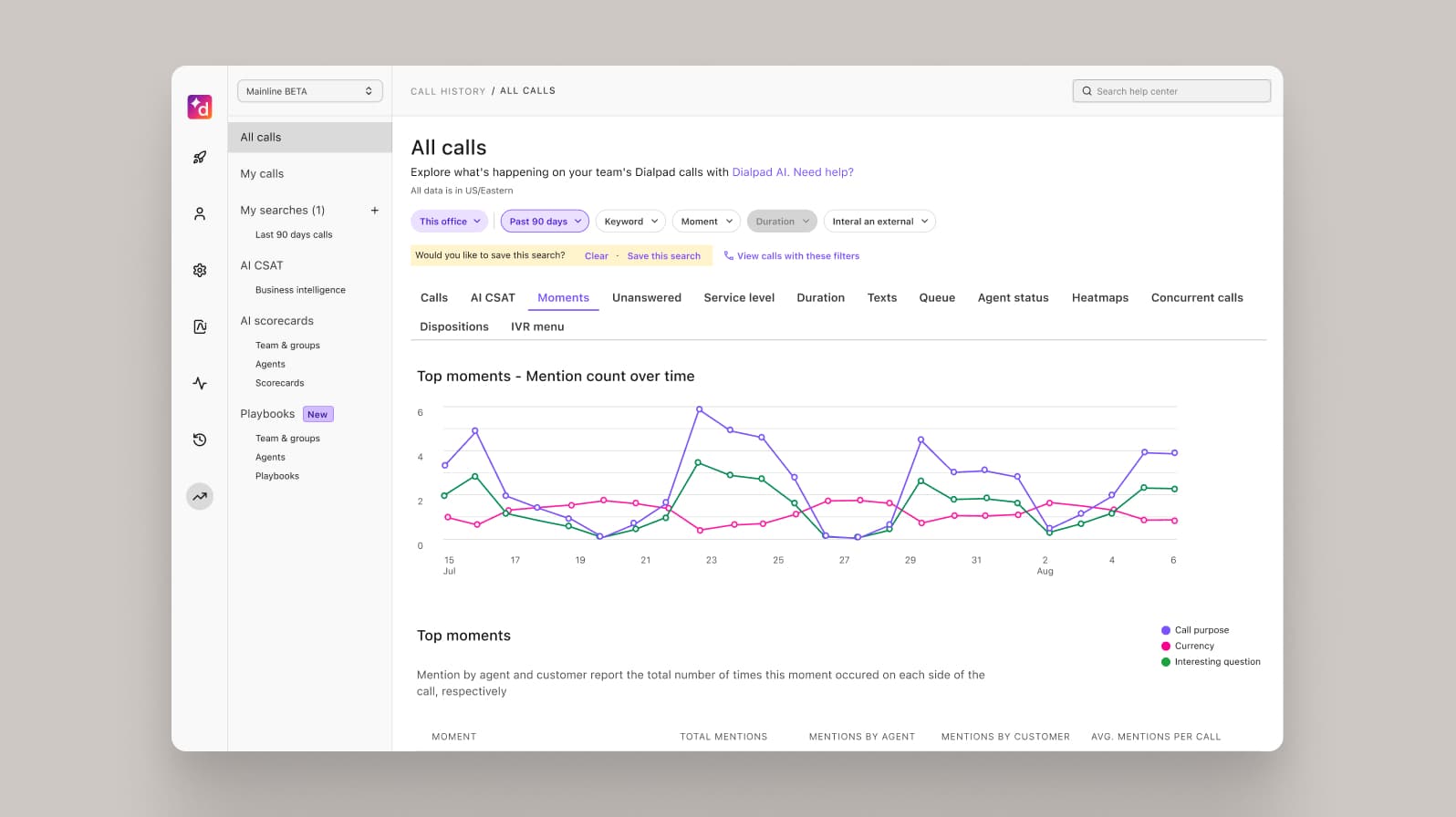
Performance pressure: Agents are often measured against multiple metrics. Contact center analytics help managers provide data-driven coaching instead of reactive feedback.
Complex customer issues: Customers often expect agents to understand context instantly. Call summaries and CRM integrations provide visibility into previous interactions.
Adapting to technology: Managing multiple tools can slow agents down. Unified platforms reduce tool switching and simplify daily workflows.
Career paths: Where can the role lead?
The call center is a "proving ground" for leadership. Common career trajectories include:
Team lead or supervisor: Exposure to performance data and coaching tools helps agents develop management skills using real-time analytics.
Quality assurance analyst: Reviewing interactions and coaching agents is supported by AI transcription and insights through call center quality monitoring.
Workforce management specialist: Scheduling, forecasting, and staffing efficiency are supported by call center workforce management tools.
End agent burnout with Dialpad
High turnover isn't a "people problem"—it's a tool problem. Dialpad replaces the administrative weight of support with real-time intelligence, transforming your agents from exhausted operators into high-value brand ambassadors.
See how it works.